

What is a Spice Rub?
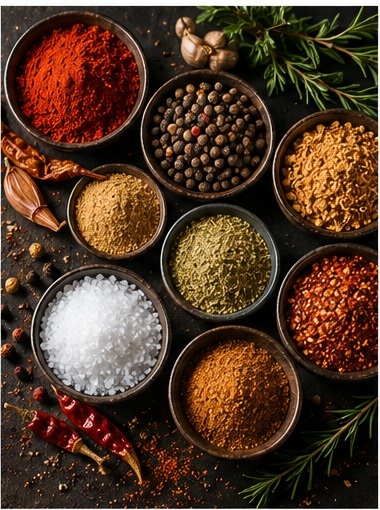
If you want to add intense flavor, an irresistible aroma, and a delicious crust to meat, vegetables, or even tofu, spice rubs are one of the easiest ways to do it.
The term “spice rub” is used to describe a wide variety of blends made from spices and herbs.
In fact, a rub is defined less by the ingredients it contains and more by the way it is used.
Simply put, it is a blend of spices that is rubbed onto food before cooking, creating a rich layer of flavor and aroma on its surface.
Although rubs are particularly popular for meat, they can be used just as wonderfully on vegetables, mushrooms, potatoes, and tofu
━━━━━━━━━━━━━━━━━━━━━━━━━━━━
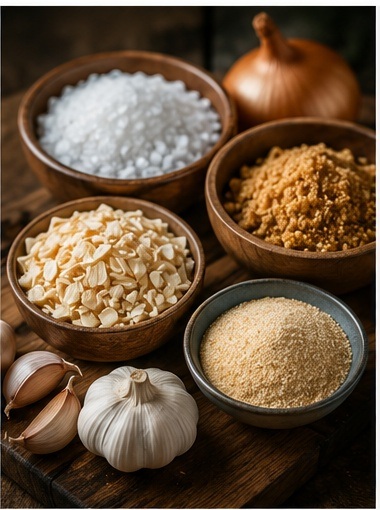
There is no single recipe for a rub.
Each blend can have a different character, depending on the food and the flavor profile we want to achieve.
However, many spice rubs are based on a few common ingredients.
Salt enhances the flavors of the spices and helps the food develop a more intense and well-balanced taste. When used on meat, it can also help retain moisture.
Brown sugar is often used to promote browning and help create a flavorful crust during cooking.
At the same time, it provides a pleasant balance to the spicy, bitter, or acidic notes of certain spices.
They add intensity, depth, and a distinctive umami dimension to the blend. They are among the most versatile ingredients and pair well with almost any type of rub.
Depending on the flavor profile we want to achieve, we can use paprika, black pepper, cumin, coriander, mustard, thyme, oregano, red pepper flakes, cayenne pepper, rosemary, sumac, juniper berries, and dried citrus peels.
━━━━━━━━━━━━━━━━━━━━━━━━━━━━
The process is simple and does not require any special cooking skills.
DRY THE FOOD THOROUGHLY
Before applying the rub, pat the meat or vegetables dry with a paper towel.
A surface that is as dry as possible helps the spice mixture adhere better and contributes to better browning during cooking.
<strong>ADD A LITTLE MOISTURE</strong><strong>
</strong>
We can add a very small amount of olive oil or another cooking oil.
Depending on the recipe, we can also use a little fruit juice or even beer.
There is no need to use a large amount. The goal is simply to help the spices stick to the surface.
COAT WELL WITH THE RUB
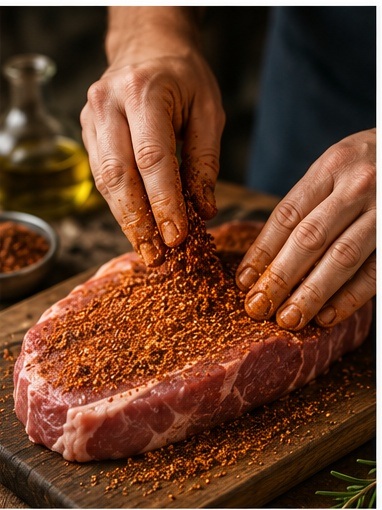
Generously sprinkle the rub over all sides of the food.
Then, using our hands, gently press and rub the mixture into the food to create an even coating over the entire surface.
<strong>COOK OR LET THE RUB WORK</strong><strong>
</strong>
We can cook the food immediately or allow the rub to sit on it for longer, depending on the ingredient and the recipe.
━━━━━━━━━━━━━━━━━━━━━━━━━━━━

The great thing about rubs is that there is no single “correct” recipe.
You can create your own blend depending on the ingredients you have available and, of course, the flavors you love.
• 4 tablespoons of spice blend
• 2 tablespoons of brown sugar
• 1 tablespoon of salt, preferably coarse or kosher salt
You can then adjust the ratio according to the flavor profile you want to achieve.
Want more intensity? Add more pepper or chili.
Want a sweeter, more caramelized result? Slightly increase the amount of brown sugar.
Want a more earthy and aromatic character? Try cumin, coriander, or rosemary.
━━━━━━━━━━━━━━━━━━━━━━━━━━━━
One of the most interesting parts of creating a rub is choosing the right flavors for each ingredient.
For steaks, brisket, pork chops, and larger cuts of meat, you can try a more intense and spicy combination of:
• cumin
• paprika
• garlic
• onion
• black pepper
• cayenne pepper
• chili flakes
The result is a bolder, smoky, and spicy flavor profile, ideal for grilled meats and barbecue.
For poultry, more aromatic and herbaceous ingredients work wonderfully, such as:
• thyme
• oregano
• savory
• tarragon
• garlic
• onion
• black pepper
• sumac
Sumac, in particular, adds a pleasant tangy note that can take chicken to the next level.
With fish, we usually want a lighter and more aromatic rub that does not overpower its natural flavor.
Herbs such as thyme, oregano, and tarragon, combined with garlic, black pepper, and sumac, can create an excellent result.
For meats with a more intense and distinctive flavor, it is worth trying more “woodsy” and aromatic ingredients:
• juniper berries
• black pepper
• rosemary
• garlic
• citrus peel
• caraway
━━━━━━━━━━━━━━━━━━━━━━━━━━━━
[PHOTO: Jar of ready-made spice rub with a spoon – positioned on the right]
No problem!
If you don't have the time or simply want the convenience of a ready-made blend, you can choose a prepared spice rub and always keep it in your pantry.
A good rub can become your kitchen's “secret weapon.”
Just a few minutes of preparation can transform a simple cut of meat or some vegetables into a much more interesting and flavorful dish.
━━━━━━━━━━━━━━━━━━━━━━━━━━━━
[PHOTO: Salt and brown sugar next to spices – positioned on the left]
Not at all!
Although salt and sugar are very commonly used in spice rubs, they are not essential ingredients.
You can reduce the amount or even leave them out completely and still use your blend as usual.
If you avoid sugar, it is better simply to leave it out rather than replace it with artificial sweeteners.
━━━━━━━━━━━━━━━━━━━━━━━━━━━━
You don't need to follow strict rules.
The best rub is the one that suits your own taste.
Start with a few basic spices, try different combinations, and don't be afraid to experiment.
After all, when creating a rub, your two best tools are:
YOUR PALATE AND YOUR NOSE.
Smell the spices together before mixing them. If their aromas complement each other, there is a good chance you'll create an excellent blend.
And the most important thing?
There is no single “correct” recipe.
A rub can be smoky, spicy, sweet, aromatic, earthy, or tangy.
It can be simple, with just three ingredients, or complex, with an entire collection of spices.
All you need is a little imagination and a willingness to experiment.
━━━━━━━━━━━━━━━━━━━━━━━━━━━━
[PHOTO: Grilled steak with a rich spice crust – large photo at the end]
The next time you prepare meat, fish, or vegetables for grilling, instead of relying only on salt and pepper, try creating your own spice rub.
You'll be surprised by how easily you can transform a simple ingredient into a dish full of aroma, flavor, and character.
Try different spices, create your own combinations, and find the rub that perfectly suits your kitchen.
Because in the end, a good spice rub is not simply a blend of spices.
It's a way to give your food your own signature.


 ADD TO CART
ADD TO CART
ADD TO CART
ADD TO CART
ADD TO CART
ADD TO CART
ADD TO CART
ADD TO CART
ADD TO CART
ADD TO CART
ADD TO CART