
CART
0
CART
CART AMOUNT 0.00€
Amount to spent for free shipping
Heraklion town: 35.00€ Free shipping
Greece: 55.00€ Free shipping
Cart didn't update. Please, refresh the page and try again Cart didn't update. The item is out of stock. Product has been added to the cart. Products have been added to the cart. Product has been added to the wishlist. Product has been removed from the wishlist. Cart didn't update. Newsletter consent has been updated Something went wrong. Please, try again or contact with us.
Tips

10 Antioxidant-Rich Foods: What Does Science Say?

10 Antioxidant-Rich Foods: What Does Science Say?
Can a spice, a cup of green tea, or a serving of broccoli make a difference to your diet? For decades, scientists have been studying the natural compounds found in foods and how they interact with the human body.
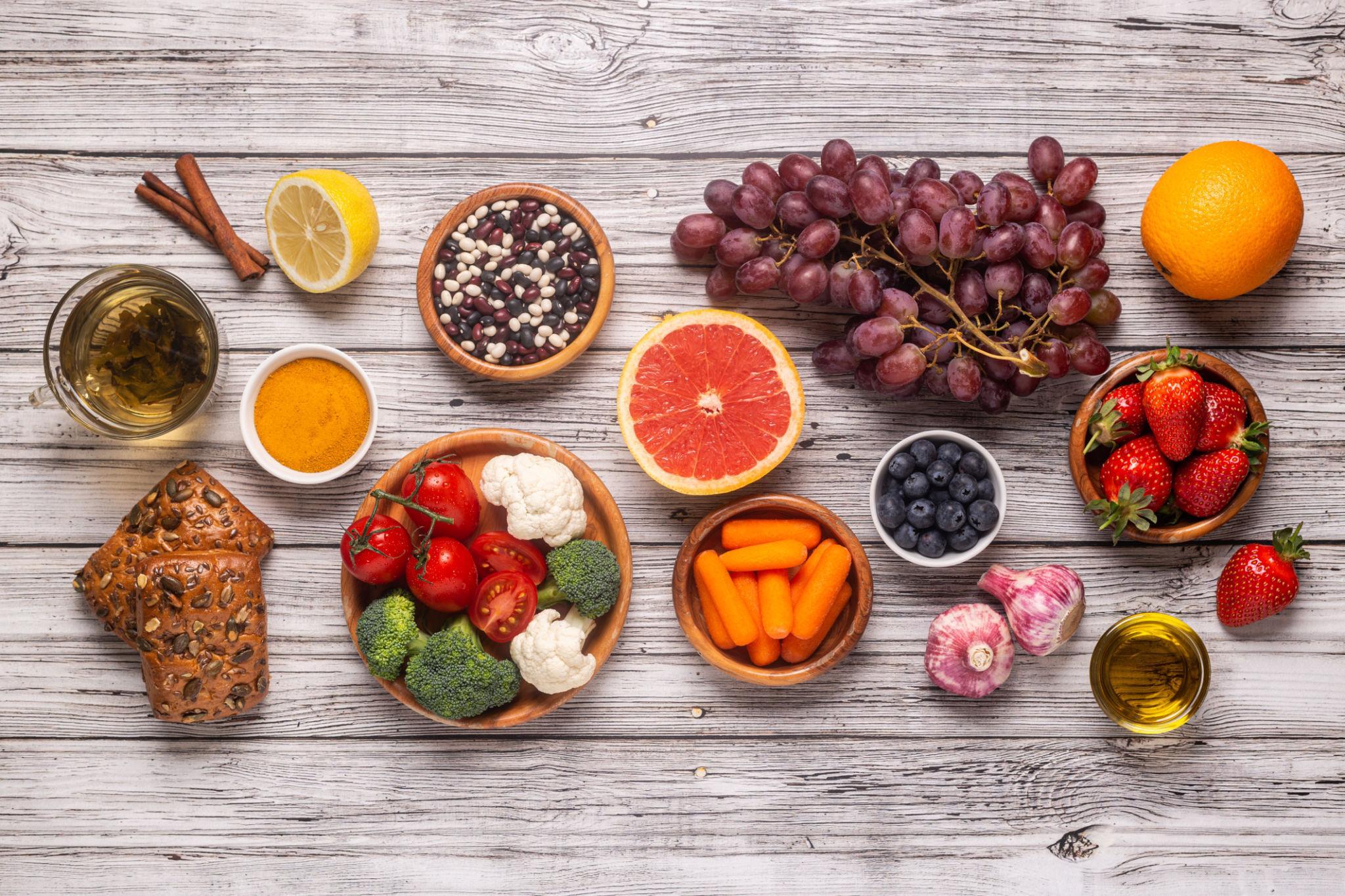
Turmeric, garlic, grapes, green tea, and many other plant-based foods contain polyphenols, carotenoids, and other bioactive compounds that have attracted considerable scientific interest.
However, there is an important difference between a compound showing biological activity in laboratory experiments and a food being clinically proven to prevent or treat a disease in humans.
Let's take a closer look at 10 foods and food groups worth including in a varied diet, what research tells us about their compounds, and how to enjoy them in everyday meals.
What Are Antioxidants and Why Do They Matter?
Antioxidants are substances that can help neutralise free radicals. Free radicals are naturally produced in the body, but their excessive accumulation can contribute to a process known as oxidative stress.
Foods contain various compounds that have been studied for their antioxidant activity, including:
  • Polyphenols, found in tea, grapes, and many fruits.
  • Carotenoids, such as lycopene in tomatoes.
  • Sulphur-containing compounds, found in garlic and cruciferous vegetables.
  • Curcuminoids, naturally present in turmeric.
The presence of these compounds in food does not automatically mean that eating them will produce specific therapeutic effects. Absorption, quantity, metabolism, and overall dietary habits all play important roles.
1. Turmeric: The Golden Spice Containing Curcumin
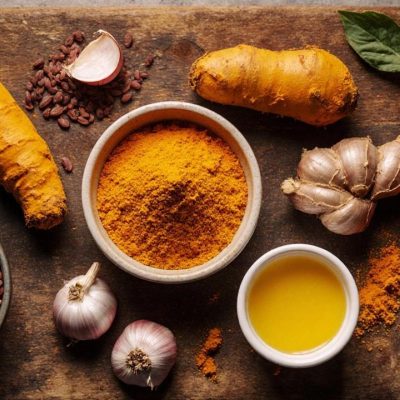
Turmeric (Curcuma longa) is one of the most distinctive spices in Asian cuisine. Its vibrant yellow colour comes mainly from curcuminoids, the best-known of which is curcumin.
What Does Research Say?
Curcumin has been extensively investigated in laboratory and experimental studies, particularly for its interactions with biological processes associated with inflammation and oxidative stress.
Early clinical studies have also been conducted. However, the available evidence is insufficient to establish curcumin as an effective method for preventing or treating cancer.
How to Use Turmeric
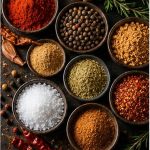
Turmeric pairs beautifully with rice, chicken, legumes, soups, and roasted vegetables. A small amount adds a warm, earthy flavour and a characteristic golden colour.
Try adding organic turmeric from Bachari.gr to your favourite everyday recipes.
2. Seaweed and Sea Vegetables: A Different Source of Nutrients
Edible seaweeds such as nori, wakame, and kombu have long been part of traditional Asian diets.
Depending on the species, they may provide dietary fibre, minerals, and various naturally occurring compounds, including polysaccharides and carotenoids.
What Does Research Say?
Certain seaweed compounds, such as fucoidan, have been investigated primarily in laboratory and animal studies.
However, these findings do not demonstrate that eating seaweed has proven anticancer effects in humans.
How to Use Seaweed
Nori is commonly used in sushi and rice bowls, while wakame can be added to salads and soups.
Important: Some seaweeds, particularly kombu, can contain extremely high amounts of iodine. People with thyroid disorders should seek individual medical or dietary advice before consuming iodine-rich seaweed regularly.
3. Red Grapes: Polyphenols and Resveratrol
Red and black grapes contain several polyphenols, including anthocyanins and resveratrol, a compound found mainly in grape skins.
What Does Research Say?
Resveratrol has been investigated for its biological activity in experimental models.
However, many laboratory studies use concentrations considerably higher than those achievable through ordinary grape consumption.
There is currently insufficient clinical evidence that eating grapes or taking resveratrol supplements can prevent or treat cancer.
How to Enjoy Grapes
Choose whole grapes, including their skins, after washing them thoroughly. They pair well with yoghurt, oats, and nuts.
Red wine is not recommended as a source of resveratrol, since alcohol consumption is associated with an increased risk of several types of cancer.
4. Spirulina and Chlorella: Microalgae in Modern Nutrition
Spirulina and chlorella are often included in modern diets because of their distinctive nutritional composition.
Spirulina, derived from cyanobacteria of the genus Arthrospira, contains protein and characteristic pigments such as phycocyanin.
Chlorella is a single-celled green alga containing chlorophyll, carotenoids, and various nutrients.
What Does Research Say?
Phycocyanin and several compounds found in chlorella have been studied for their biological activity.
However, laboratory findings do not establish that these products can destroy cancer cells in the human body.
Furthermore, popular claims suggesting that microalgae remove heavy metals or "detoxify" the body lack sufficient clinical evidence to support their general use for these purposes.
How to Use Them
Spirulina is commonly available in powder and tablet form. Its use should follow the instructions and specifications of the particular product.
At Bachari.gr, you can also browse our superfoods collection, featuring a range of plant-based options for everyday nutrition.
5. Green Tea: Catechins and Everyday Enjoyment
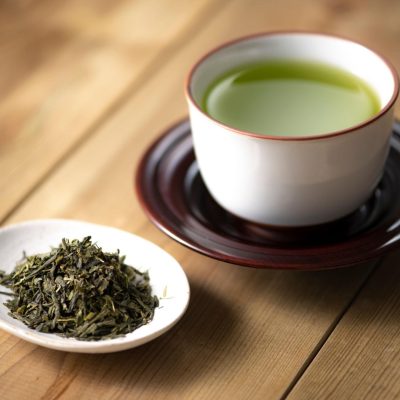
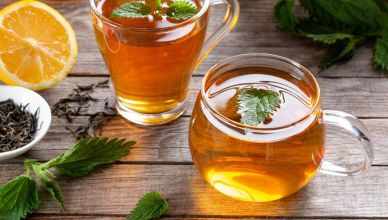
Green tea comes from the leaves of Camellia sinensis. Its processing helps limit oxidation, preserving a significant proportion of its naturally occurring catechins.
One of the most extensively studied catechins is epigallocatechin-3-gallate, commonly known as EGCG.
What Does Research Say?
EGCG has demonstrated interesting biological properties in laboratory experiments.
However, large human studies have not conclusively established that drinking green tea reduces cancer risk.
Green tea remains an enjoyable beverage that can form part of a varied and balanced diet.
How to Prepare Green Tea
For a cup of Gunpowder green tea, use approximately 1–2 teaspoons of tea leaves per cup, with water heated to around 80–90°C.
Steep for 3–4 minutes, or according to the instructions provided with your tea.
Explore Gunpowder green tea at Bachari.gr.
Important: Drinking ordinary green tea is not equivalent to taking concentrated green tea extracts. The European Food Safety Authority (EFSA) has raised safety concerns regarding high doses of catechins in food supplements, particularly their potential effects on the liver.
6. Broccoli, Cabbage and Cauliflower: The Cruciferous Vegetable Family
Broccoli, cauliflower, cabbage, rocket, and Brussels sprouts belong to the cruciferous vegetable family.
They contain dietary fibre, vitamins, and naturally occurring compounds called glucosinolates.
During chewing and digestion, glucosinolates can break down into other biologically active substances.
One of the most widely studied is sulforaphane, particularly in relation to broccoli.
What Does Research Say?
Laboratory studies have identified interesting biological mechanisms involving certain glucosinolate breakdown products.
However, human studies have not produced consistent findings for every cruciferous vegetable or every type of cancer.
Nevertheless, eating a variety of vegetables remains a fundamental recommendation for a balanced diet.
How to Enjoy Them
Try lightly steamed broccoli, roasted cauliflower seasoned with turmeric, or a fresh cabbage salad with lemon juice and olive oil.
7. Tomatoes: Lycopene Behind Their Red Colour
Tomatoes are one of the most characteristic ingredients of the Mediterranean diet.
Lycopene is a carotenoid responsible for their distinctive red colour. It is also found in certain other fruits, including watermelon.
What Does Research Say?
Lycopene has been investigated in epidemiological and clinical studies, particularly in relation to prostate cancer.
Although some studies have identified interesting associations, it has not been established that eating tomatoes or taking lycopene supplements prevents cancer.
How to Use Tomatoes
Cooked tomatoes make an excellent base for sauces, vegetable dishes, legumes, and soups.
Cooking can improve the bioavailability of lycopene, particularly when tomatoes are combined with a small amount of olive oil.
8. Mushrooms: From Shiitake to Reishi
Mushrooms hold an important place in gastronomy and have also been used traditionally in several Asian cultures.
Species such as shiitake, maitake, and Reishi (Ganoderma) contain various polysaccharides, including beta-glucans.
What Does Research Say?
Certain isolated compounds from specific mushroom species have been clinically investigated, including as components of adjunctive medicinal preparations in some Asian countries.
However, this does not mean that eating these mushrooms or taking commercial mushroom supplements produces equivalent effects.
For Reishi specifically, the available clinical evidence is insufficient to establish it as a treatment for cancer.
How to Use Mushrooms
Edible mushrooms add flavour and variety to soups, rice dishes, vegetables, and pasta.
When considering Reishi products, it is important to distinguish traditional uses from clinically established benefits.
You can explore the different available forms in the Reishi (Ganoderma) category at Bachari.gr.
9. Garlic: Sulphur Compounds and Centuries of Culinary Tradition
Garlic (Allium sativum) is a staple ingredient of Mediterranean cuisine and has a long history of use across different culinary traditions.
When fresh garlic is chopped or crushed, enzymatic reactions lead to the formation of allicin, a characteristic sulphur-containing compound.
What Does Research Say?
Garlic's sulphur compounds have been investigated for their biological activity.
Researchers have also examined possible associations between garlic consumption and various health indicators.
However, the available evidence is insufficient to conclude that garlic prevents or treats cancer.
How to Use Garlic
Whether fresh, dried, or powdered, garlic adds distinctive flavour to meat, fish, legumes, marinades, and vegetables.
For convenient everyday cooking, try garlic powder or organic black garlic powder.
10. Whole Grains: The Importance of Dietary Fibre
Beyond spices and popular superfoods, several everyday foods have strong scientific support as part of a healthy dietary pattern.
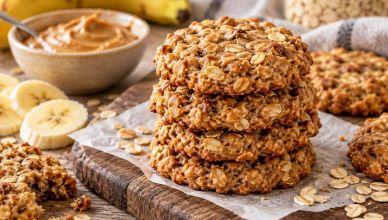
Oats, barley, whole wheat, and other whole grains provide dietary fibre and a variety of nutrients.
What Does Research Say?
According to the World Cancer Research Fund, strong scientific evidence indicates that consuming whole grains and foods containing dietary fibre is associated with a reduced risk of colorectal cancer.
This is an important example of research supporting an overall dietary habit rather than a single supposedly miraculous ingredient.
How to Enjoy Whole Grains
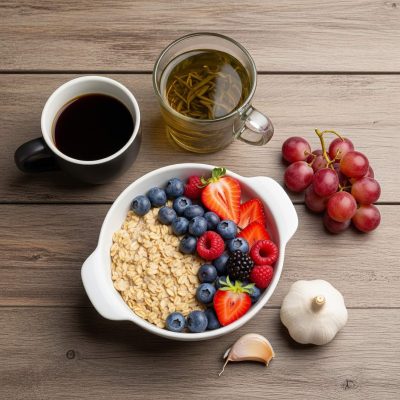
Start your morning with oats and fruit, choose wholemeal bread more often, and include legumes and vegetables in your main meals.
How Is Diet Connected to Cancer Risk?
The relationship between diet and cancer is complex.
Genetics, age, smoking, alcohol consumption, body weight, physical activity, and several other factors can influence an individual's overall risk.
What scientific research supports most consistently is the importance of maintaining a healthy dietary pattern over time.
The World Cancer Research Fund recommends, among other measures:
  1. Eating plenty of vegetables, fruits, legumes, and whole grains.
  2. Getting sufficient dietary fibre from foods.
  3. Limiting processed meat consumption.
  4. Limiting energy-dense, highly processed foods.
  5. Avoiding alcohol for cancer prevention.
  6. Staying physically active and maintaining a healthy body weight.
These habits cannot guarantee that someone will never develop cancer. However, they form an important part of an evidence-based approach to reducing risk.
5 Easy Ways to Add More Variety to Your Diet
You do not need to completely change your weekly meal plan. A few simple habits can help increase the variety of foods you enjoy.
  • At breakfast: Combine oats, yoghurt, grapes or other fruits, and a handful of nuts.
  • At lunch: Add turmeric to rice or chicken and serve with broccoli or a fresh salad.
  • In the afternoon: Enjoy a cup of green tea without added sugar.
  • At dinner: Prepare a tomato sauce with garlic, olive oil, and aromatic herbs.
  • Throughout the week: Include a variety of vegetables, legumes, fruits, and whole grains in your meals.
The goal is not to eat all 10 foods every day. It is to build a varied, balanced, and sustainable dietary routine.